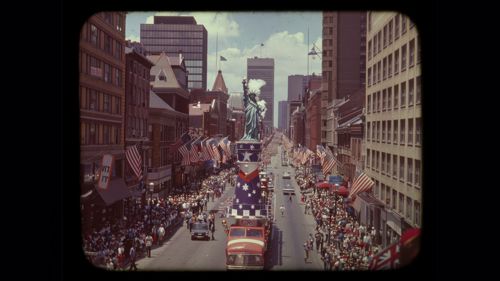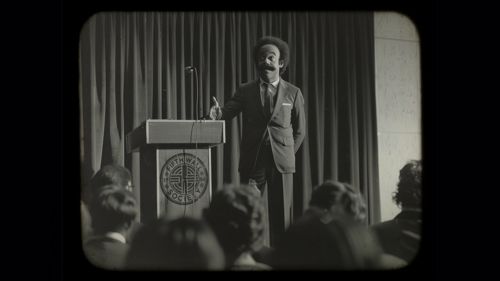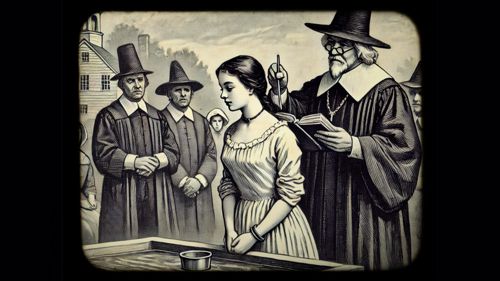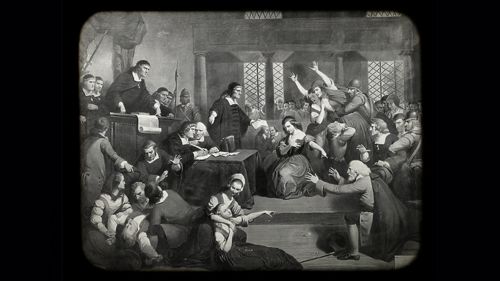
Before the tools made any of this straightforward, creating a convincing photographic record of fictional people across four decades of their lives required solving problems that had no established solutions.
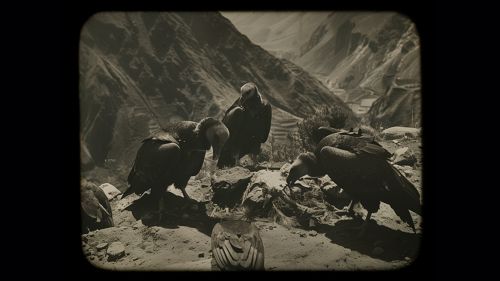
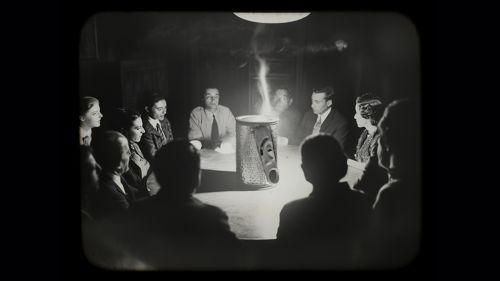
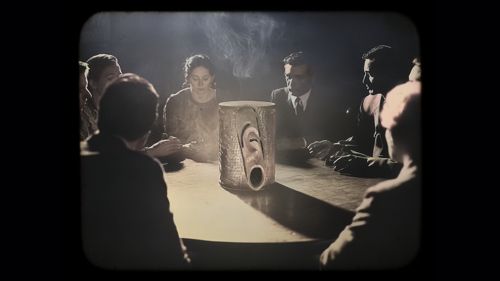
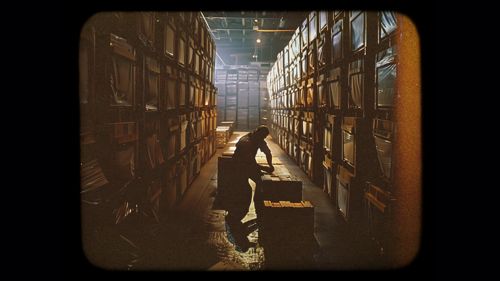
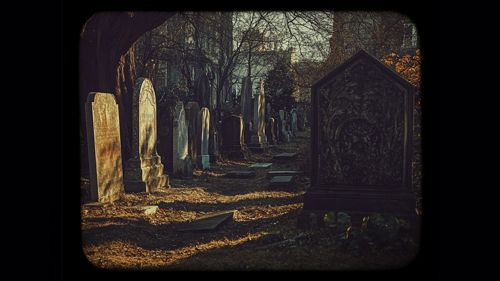
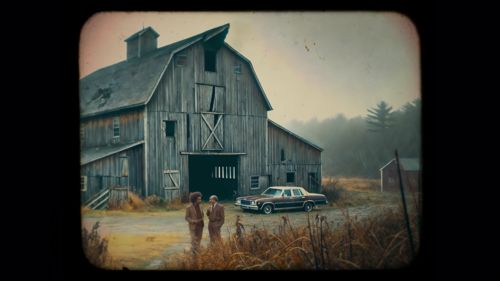
The Fifth Wall was a Halloween seance escape room built around a central narrative premise: participants arrive to experience a seance using an artifact recovered from a research expedition in Peru, a device said to channel spirits. The slideshow they encounter tells the story of how that device was found, who found it, and what happened to the researchers over the years that followed. It begins in the 1950s and ends in the 1990s.
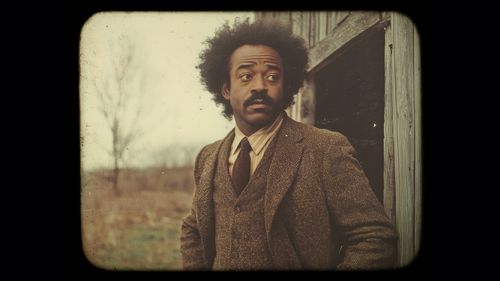
To tell that story convincingly required consistent fictional characters across multiple scenes, multiple locations, and multiple eras of their lives. Early Midjourney had significant difficulty maintaining character continuity across generations, let alone across a single image. Getting the same person to appear in a 1957 field photograph and a 1984 university office portrait required building custom character sheets, developing generation pipelines across multiple AI tools including early versions of Midjourney and Leonardo, and extensive post-production compositing in Photoshop to restore original faces, reintegrate props, and achieve the age progressions that the tools could not reliably produce on their own.
The hundreds of iteration cycles that preceded the final images are not visible in the finished slideshow. That is the point. What participants experienced was a seamless photographic record of something that never happened, populated by people who never existed, spanning four decades of fabricated history.
The archive below contains the finished slideshow deck.